
What Are The Early Signs of Bed Bugs?
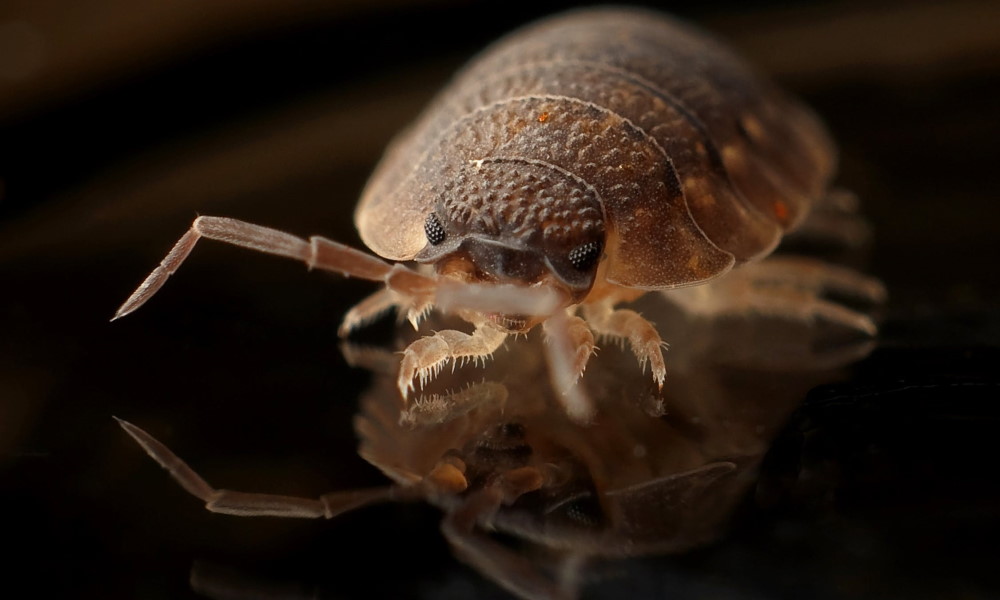
What Are The Early Signs of Bed Bugs?
A bed bug infestation can be hard to detect in its early stages, but fortunately, there are some telltale signs. If you’ve ever had to endure an uncomfortable night in bed, these are likely signs of infestation. You might be noticing red welts on your body or itchy skin. These bites are typically noticeable in the morning, and you’re probably waking up with itching at night.
Bed Bugs leave behind trails of droppings and crushed bugs, which can be hard to notice. These trails usually appear clustered or spread out and indicate infestation.
Besides droppings and excrement, bed bugs also release pheromones. These smells vary in intensity and sometimes have a slightly pungent scent. You can usually spot them by inspecting your mattress, pillowcases, or cushions.
If you are suspicious that your home is infested with bed bugs, we can help you. In this article, we are going to discuss some early signs of bed bug infestation.
Early Signs of Bed Bugs
If you have been a victim of a bedbug infestation, you are probably wondering about the early signs of these pesky insects. Here are a few things to look out for.
Faecal Spots
The first early sign of bed bug infestation is faecal spots. These dark, semi-liquid marks appear on the surface of bed sheets and other fabrics around the bed’s harbouring areas. Bed bug faecal spots are difficult to remove from fabrics because they contain processed human blood. In addition, they tend to smear when wet. If you see these marks on your bed, you’ve likely already had an infestation or have a contaminated mattress.
Eggs
You can start noticing early signs of bed bug infestations by looking for eggs. The tiny white dots on your furniture and bedding are eggs. These pests can fit into places that are as narrow as credit cards. Eggs are usually found near areas of the infestation where bed bugs have been active. Taking precautionary measures is a good idea if you want to prevent bed bug infestation. You can inspect your furniture to find white eggs. If you see these tiny white eggs, likely, you’re already infested.
Bites
The early signs of bed bug infestation include bites, which occur on your skin and in clusters. Bedbugs bite with a flattened, piercing proboscis. They feed at night, when humans are sleeping, so they are most active in the dark. You can spot them by the presence of a stinging, red bump or blister-like swelling on your skin. Bedbug bites are very uncomfortable and cause itching. Itchy skin is another early sign of bed bug infestation.
Moult Skin
Typically, a bedbug infestation is first detected by the presence of moult skin. These bugs are easily spotted by their exoskeletons, which are usually large clusters. If you find any of these, check the surrounding area to see if there are any bedbugs. Infestations often begin by seeing nymphs (moulting skin) around bed frames and mattresses. The exoskeletons of bed bugs are shaped like small shells.
Musty Smell
A musty smell can be another sign of bed bugs. The odour that is associated with bed bugs is similar to that of wet dogs or old, mouldy clothing. The stronger the odour, the bigger the infestation. Bed bugs produce pheromones to attract other insects. They release a variety of scents. Often the stronger the odour, the larger the infestation.
Blood Stains
Bloodstains are a sure sign of bed bugs. Bloodstains, which appear on a bed’s mattress, are caused by crushed bed bugs. You may also notice small black dots where the bugs have been. A bed bug will leave tiny black or brown spots of blood after feeding.
Changes in Pet Behavior
Changes in your pet’s behaviour can be early signs of a bedbug infestation. Bedbugs bite dogs and cats. If your pet scratches too much, you might be looking at an outbreak of bedbugs. Bedbug bites may appear as red specks or rusty streaks on your pet’s skin. They can be hard to detect depending on the pet’s fur.
At EPB Control we can help you with bed bugs and many other pest issues.