
How long do wasps nests last?
How long do wasps nests last?
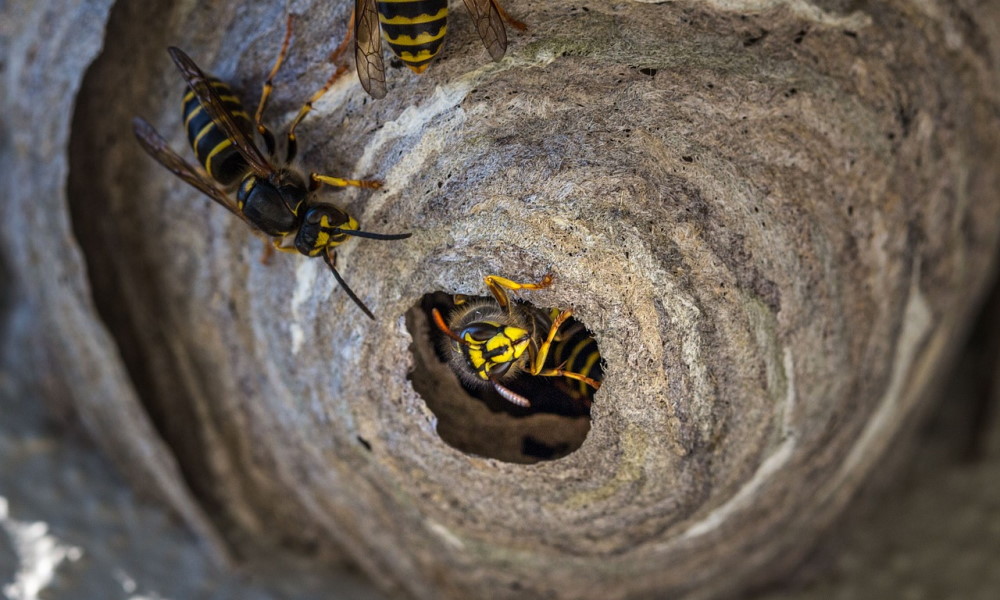
The longevity of a wasp’s nest is about 3-4 months during the months of summer. As the temperatures begin to drop at the end of the summer and the advent of winter, so does the number of wasps. The cold climate and lack of food are the two reasons to kill off the nest. During this time, the queens will hibernate to be ready for the nest wasp season.
While a wasp’s nest may not last long, it can remain an active colony for several years. Regardless of how old it is, a wasp may return to the same location to build a new nest.
When a wasp queen emerges from hibernation, she begins building her nest. Using the nest substrate, she builds the nest cells in which her eggs are laid. She also initiates the first workers, who take over the building process when they hatch. By the end of the summer, a wasp’s nest is at full expansion. Females lay new eggs, which will hatch into the new queens for the following year.
A wasp nest can be difficult to remove. Wasps will attack anything near the nest, and the nest itself can be dangerous if not removed promptly. They may even sting if you try to remove the nest yourself. But don’t worry, you can buy wasp spray to minimize the chance of damage. But if you’re not comfortable with the dangers associated with wasps, it’s best to call a professional to help.
What Happens If You Leave A Wasp Nest Alone?
Although wasps are beneficial to humans, removing their nests is highly dangerous. These little insects can sting you or even kill you, so it is important to protect your home from them. Always wear protective clothing while removing wasp nests.
The nest should be sheltered and sturdy. Wasps often choose guttering and loft spaces for their nest. They will lay eggs in the nest cells, and the young will hatch. This cycle continues year after year. A person may not see it at first, but the nest will continue to multiply and increase the danger of a wasp sting. If you leave a wasp nest alone, it will be a breeding ground for 500 fertile queens.
Should I Remove A Wasp Nest In My Garden?
There are two sides to the question of whether you should remove a wasp nest in your garden: the good and the bad. If you don’t have a problem with wasps, you can co-exist with them if you’re not allergic to them. The good news is that wasps are beneficial for your garden, as they pollinate your plants and kill pests. However, if you have a problem or allergies associated with them, you can have them removed.
Before removing a wasp nest, you should first know which species are living in your garden. Wasps prefer trees for their nests, while others use manmade structures for their homes. If you’re unsure, consult a professional pest control company. It’s worth the money to avoid an allergy attack and a stinging wasp nest.
Will Wasps Return to a Destroyed Nest?
If your home or property is damaged or destroyed by a wasps’ nest, they will gather to rebuild. This is because they leave pheromones that mark the location of their nest. If they cannot survive without a nest, the wasps will not stick around for long. To reduce the chances of wasps returning to the location of the nest, it is important to remove any evidence of the nest.
When you destroy a wasp’s nest, you may not be able to see it. However, this doesn’t mean that they won’t return to it. Wasps can live in a variety of habitats. For example, they can nest in roof eaves, wall cavities, and crawl spaces. They can also live on tree branches and railings.
If you accidentally disrupt a wasp nest, you might be confronted with a vicious and dangerous creature. You will be surrounded by dozens of aggressive insects. Wasps sting and leave behind pheromones. They can even kill you. This is why it’s essential to be cautious and protective. There are many different ways to control a wasp nest, and following the proper steps to get rid of the problem safely.